

Appetite - increased
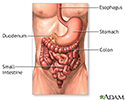
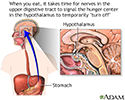
Hyperphagia; Increased appetite; Hunger; Excessive hunger; PolyphagiaIncreased appetite means you have an excess desire for food.
-
Considerations
An increased appetite can be a symptom of different diseases. For example, it may be due to a mental condition or a problem with an endocrine gland.
An increased appetite can come and go (intermittent), or it can last for long periods of time (persistent). This will depend on the cause. It does not always result in weight gain.
The terms "hyperphagia" and "polyphagia" refer to someone who is focused only on eating, or who eats a large amount before feeling full.
-
Causes
Causes may include:
- Anxiety
- Certain medicines (such as corticosteroids, cyproheptadine, and tricyclic antidepressants)
- Bulimia (most common in women 18 to 30 years old)
- Diabetes mellitus (including gestational diabetes)
- Graves disease
- Hyperthyroidism
- Hypoglycemia
- Premenstrual syndrome


-
Home Care
Emotional support is recommended. Counseling may be needed in some cases.
If a medicine is causing increased appetite and weight gain, your health care provider may decrease your dose or have you try another medicine. Do not stop taking your medicine without talking to your provider.
-
When to Contact a Medical Professional
Contact your provider if:
- You have an unexplained, persistent increase in appetite
- You have other unexplained symptoms
-
What to Expect at Your Office Visit
Your provider will do a physical exam and ask questions about your medical history. You also may have a psychological evaluation.
Questions may include:
- What are your typical eating habits?
- Have you begun dieting or do you have concerns about your weight?
- What medicines are you taking and have you recently changed the dose or started new ones? Do you use any illicit drugs?
- Do you get hungry during sleep? Is your hunger related to your menstrual cycle?
- Have you noticed any other symptoms such as anxiety, palpitations, increased thirst, vomiting, frequent urination, or unintentional weight gain?
- Blood tests, including a chemistry profile
- Thyroid function tests
References
Clemmons DR, Nieman LK. Approach to the patient with endocrine disease. In: Goldman L, Cooney KA, eds. Goldman-Cecil Medicine. 27th ed. Philadelphia, PA: Elsevier; 2024:chap 202.
Jensen MD, Bessesen DH. Obesity. In: Goldman L, Cooney KA, eds. Goldman-Cecil Medicine. 27th ed. Philadelphia, PA: Elsevier; 2024:chap 201.
Katzman DK, Norris ML. Feeding and eating disorders. In: Feldman M, Friedman LS, Brandt LJ, eds. Sleisenger & Fordtran's Gastrointestinal and Liver Disease. 11th ed. Philadelphia, PA: Elsevier; 2021:chap 9.